



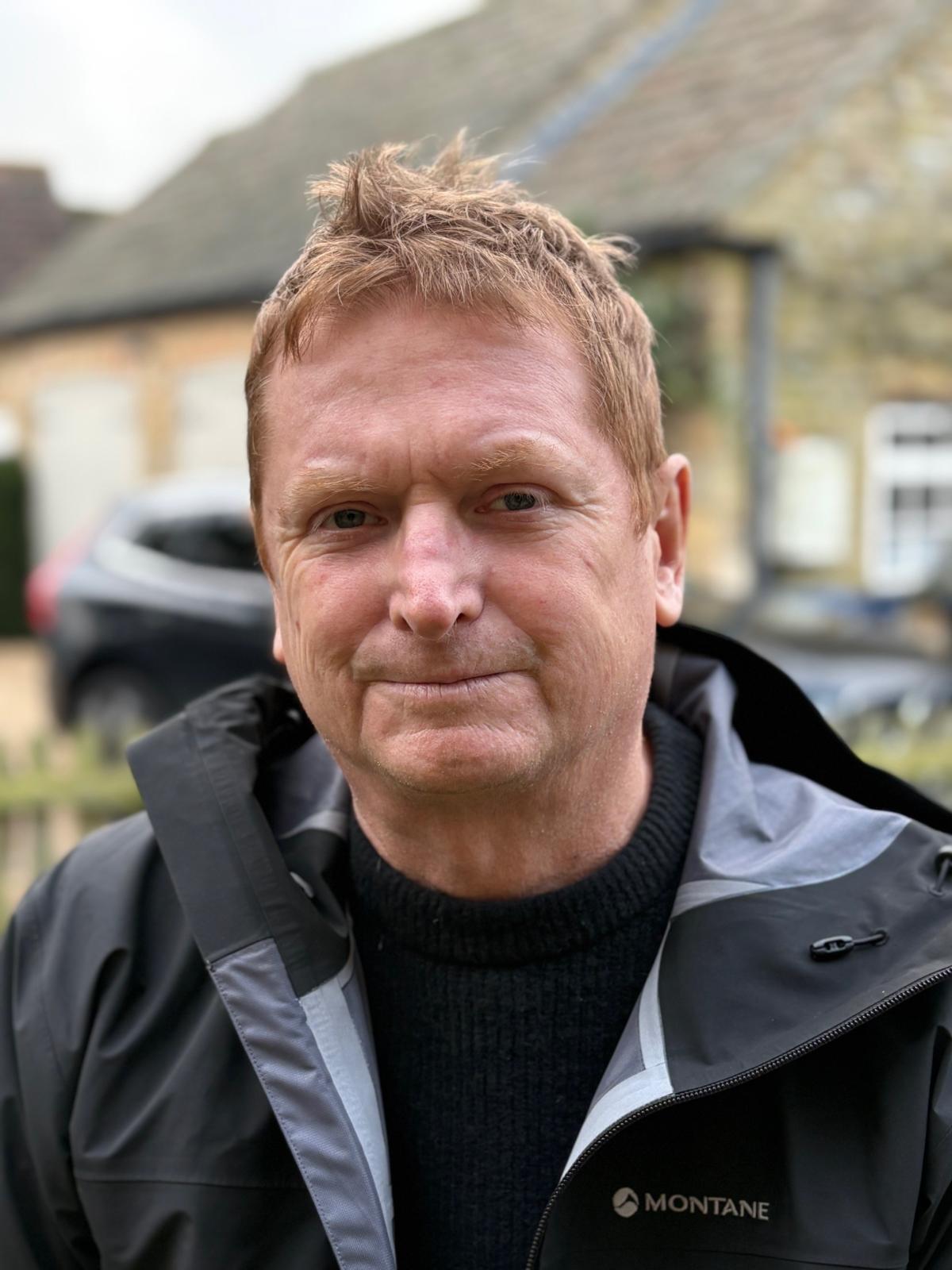

A musician and guitarist with the Milltown Brothers has shared his journey of adapting to life with a rare and life-altering diagnosis.
Sixty-three-year-old Simon Nelson, who now lives in Elton near Peterborough, was diagnosed with diffuse systemic sclerosis in July 2021 following two years of unexplained symptoms.
The condition, which has caused stiffness in his hands and forearms, has forced him to adjust his approach to playing the guitar.
Mr Nelson said: "The physical changes have emerged slowly for me, and one adapts quite well to the issues over time; they kind of become the new norm.
"However, coming to terms with the diagnosis and understanding its consequences have been more challenging from a mental and psychological perspective."
Despite the challenges, he has continued to record and perform with the Milltown Brothers, whose sixth studio album charted in both the UK and Scotland.
Mr Nelson is one of the voices being highlighted by Scleroderma and Raynaud’s UK (SRUK) during June’s Scleroderma Awareness Month.

SRUK is using the campaign to call for earlier diagnosis and improved awareness among healthcare professionals, releasing new data that shows only 30 per cent of primary care professionals would immediately refer a suspected case to a specialist.
Diagnostic delays remain a pressing issue, with people living with systemic sclerosis waiting an average of 30 months from first symptoms to diagnosis.
Some wait more than five years, which can affect daily living, independence, and mental wellbeing.
Sue Farrington, chief executive of SRUK, said: "This Scleroderma Awareness Month, we are urgently calling on healthcare professionals and the public to hear the unheard, recognise the signs of systemic sclerosis and other rare autoimmune rheumatic diseases and act sooner.
"Our data highlights the profound need for streamlined access to specialist care and diagnosis."


Share